Established in 2006
Duke-Ruhuna Collaborative Research Centre
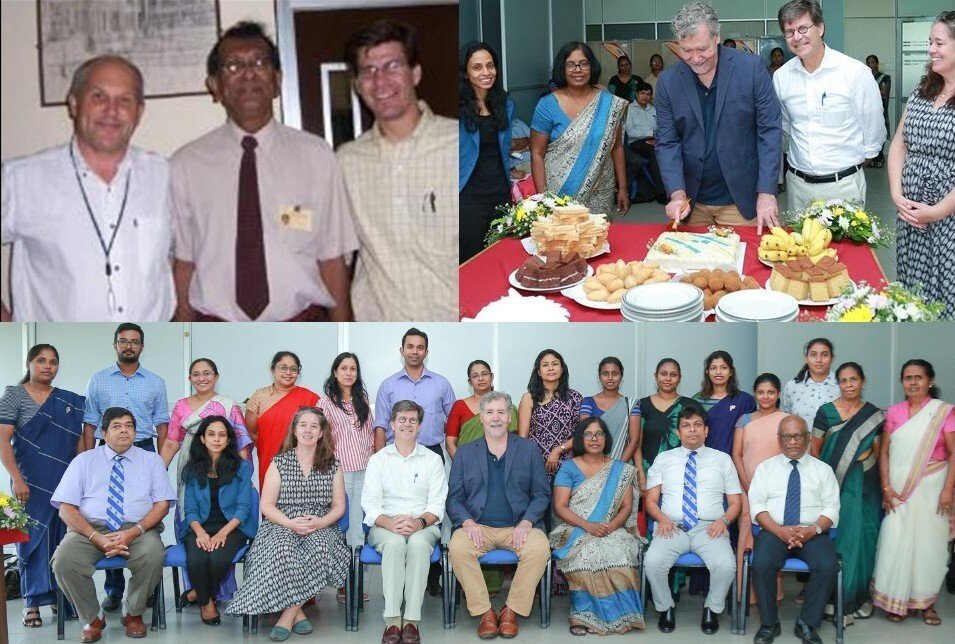
Duke-Ruhuna Collaborative Research Centre is a longstanding international academic partnership between the Faculty of Medicine, University of Ruhuna in Sri Lanka, and Duke University in the United States. The collaboration was initiated in the aftermath of the devastating 2004 Indian Ocean tsunami, which severely affected the southern coastal regions of Sri Lanka, including the city of Galle. In response to the disaster, the Duke University Health System raised funds to support recovery efforts. The collaboration was formally established in 2006 through a Memorandum of Understanding between Duke University and the University of Ruhuna. The initiative was led by Prof. P. L. Ariyananda, then Dean of the Faculty of Medicine, University of Ruhuna, together with Prof. Truls Østbye and Prof. Christopher Woods of Duke University. The founding institutions included the School of Medicine, Duke University, the Faculty of Medicine, University of Ruhuna, and the Hubert-Yeargan Center for Global Health in Durham, USA. The agreement was renewed in 2010 as an open-ended partnership aimed at strengthening collaborative research, promoting bi-directional training and exchange programs for students and clinicians, and fostering partnerships with national and international institutions.
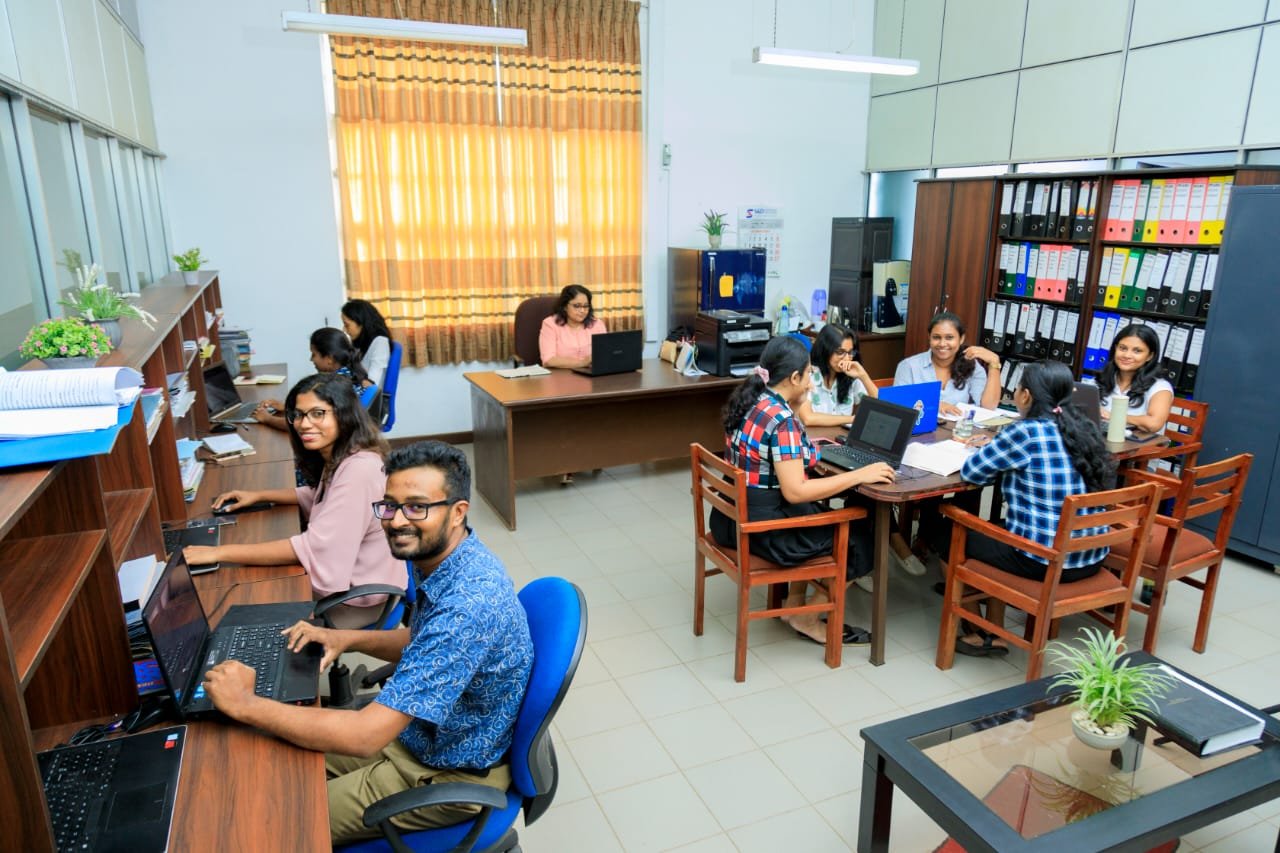
The collaboration is supported by the Duke Global Health Institute, which serves as the administrative home for the United States component of the partnership. On the Sri Lankan side, the collaboration is anchored at the Faculty of Medicine, University of Ruhuna, where research and administrative space were established to support its activities. Over the years, the Duke–Ruhuna Collaboration has grown into a platform for interdisciplinary research and academic exchange. The partnership now involves faculty and researchers from multiple disciplines, including internal medicine, microbiology, psychiatry, nursing, environmental health, and global health. Since its inception, the collaboration has supported numerous research initiatives and has engaged more than 100 research personnel, including research assistants, laboratory technologists, data specialists, and administrative staff. Today, the program continues to operate with a multidisciplinary team responsible for coordinating research programs, managing data and laboratory activities, and advancing global health research that benefits Sri Lanka, the region, and the global scientific community.
Vision and Mission
The long-term vision of the DRCRC is to serve as a centre of excellence for research, clinical activities, and education for the Southern Province of Sri Lanka.
Our mission is to improve health in Sri Lanka by continuing locally relevant and impactful research studies which transform clinical practice, public health, and policy. To accomplish this mission, DRCRC will train local and foreign students/ trainees, with the goal of developing the next generation of clinical/ scientific leaders. In addition, the DRCRC will liaise with the local and national Ministry of Health, with the ultimate objective of serving as a reference laboratory and surveillance center for the Southern Province of Sri Lanka. The DRCRC will share findings with clinicians and public health authorities to improve clinical care and preventative health for all.

+ Years Experience

+ Awards

+ Research

+ Publications

Infectious Diseases
DRCRC conducts cutting-edge research on infectious diseases, focusing on prevention, treatment, and community health impact in global contexts.

Antimicrobial Resistance
Explore DRCRC's efforts in combating antimicrobial resistance through cutting-edge research, & global collaboration for better health outcomes.

Occupational Health
DRCRC's Occupational Health initiatives focus on workplace safety, preventing occupational diseases, and promoting overall health and well-being for workers.

Mental Health
DRCRC promotes mental health through research, training, and enhancing well-being and healthcare outcomes in our communities specially with the elders and children.